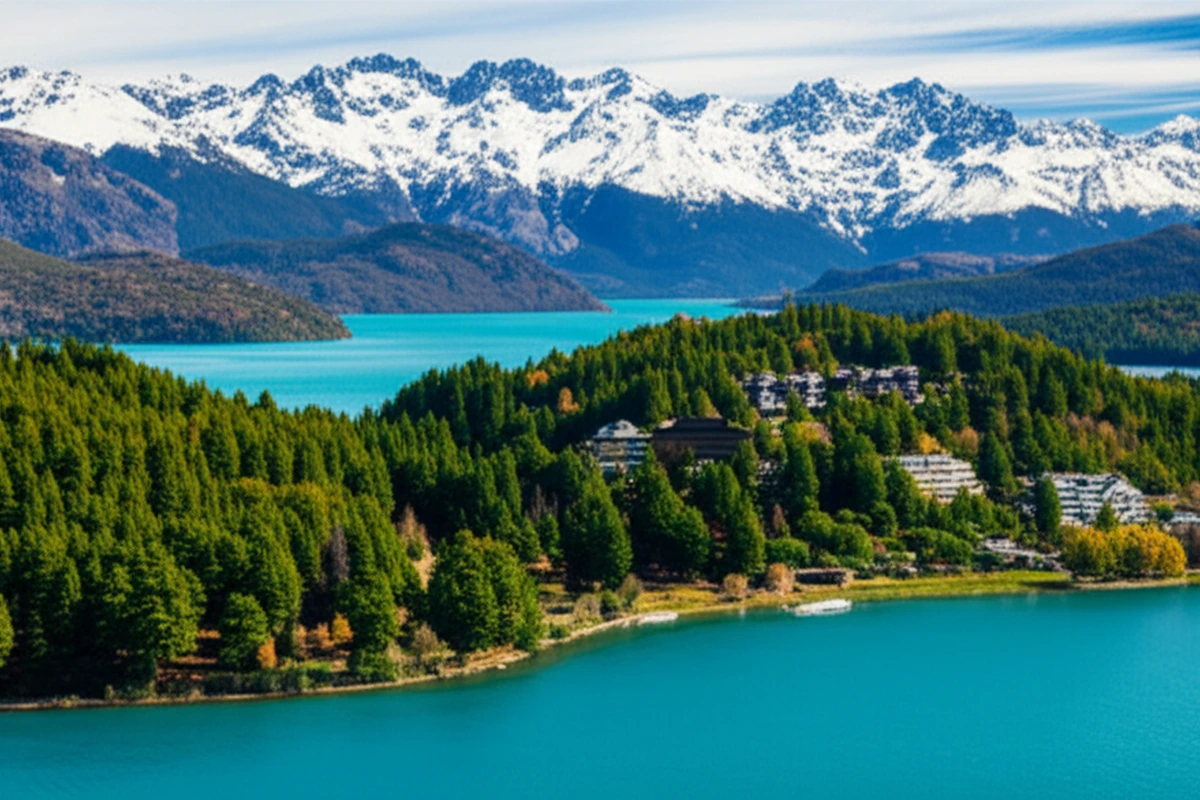
Why Bariloche makes the shortlist for remote workers
Remote workers who want disciplined mornings and outdoor afternoons often find Bariloche the most emotionally persuasive move in Argentina. Rent for a furnished one-bedroom with mountain or lake views runs $500-800/month in the Km 5-12 corridor. Internet in central areas (Fibertel, Telefonica) delivers 30-80 Mbps, though speeds drop in more remote lakeside locations. A few co-working spaces operate downtown, but most remote workers set up home offices. The daily rhythm — focused work until 1-2 PM, then hiking, skiing, cycling, or lake time — creates a lifestyle that many describe as transformative. Monthly costs run $1,200-1,800 including rent, food, and activities.
For UAE-based readers, Bariloche works best when the move is meant to improve pace, recurring burn, or focus rather than recreate Gulf-speed convenience in another country.
What founders and operators should validate
Founders only do well here if the business is location-aligned — tourism, hospitality, outdoor recreation, chocolate artisanship, craft brewing, or adventure sports. Bariloche's economy revolves around its 1.5 million annual tourists and a growing specialty food and beverage scene (Rapanui, Mamuschka, and dozens of cervecerías artesanales). Co-working options are limited to a handful of spaces and cafes along Mitre street. Internet in central areas reaches 30-80 Mbps but can be unreliable in lakeside zones. If your business requires constant counterpart access, talent pipelines, or urban logistics, Bariloche will frustrate you within months.
second homes, hospitality, tourism, wellness, and alpine lifestyle assets dominate the thesis. The correct question is whether that local advantage matches the kind of company, client base, or scouting project you actually run.
How the weekly operating stack changes
The operating stack in Bariloche is usually shaped by housing, internet reliability, workspace options, and how much in-person density you really need. That makes the move easier for readers who can control their calendar than for readers who still depend on Gulf-speed service systems every day.
If the city fits, the reward is usually a calmer workweek with materially lower burn. If it does not, the friction shows up quickly in routine, isolation, or logistics.
Where this city breaks for operators
logistics and seasonality are real, and people who need nonstop urban convenience usually tire faster than expected. That matters more for remote workers and founders because operational friction compounds faster when your income depends on a stable routine.
A short scouting stay should therefore test working hours, neighborhood feel, and whether the city still looks right once the schedule becomes ordinary.
- Test the actual apartment or district where you would work, not just the city brand.
- Model rent, internet, dining, and workspace before assuming the operator story is obvious.
- Use local execution once visas, contracts, or local counterparties start mattering to the plan.