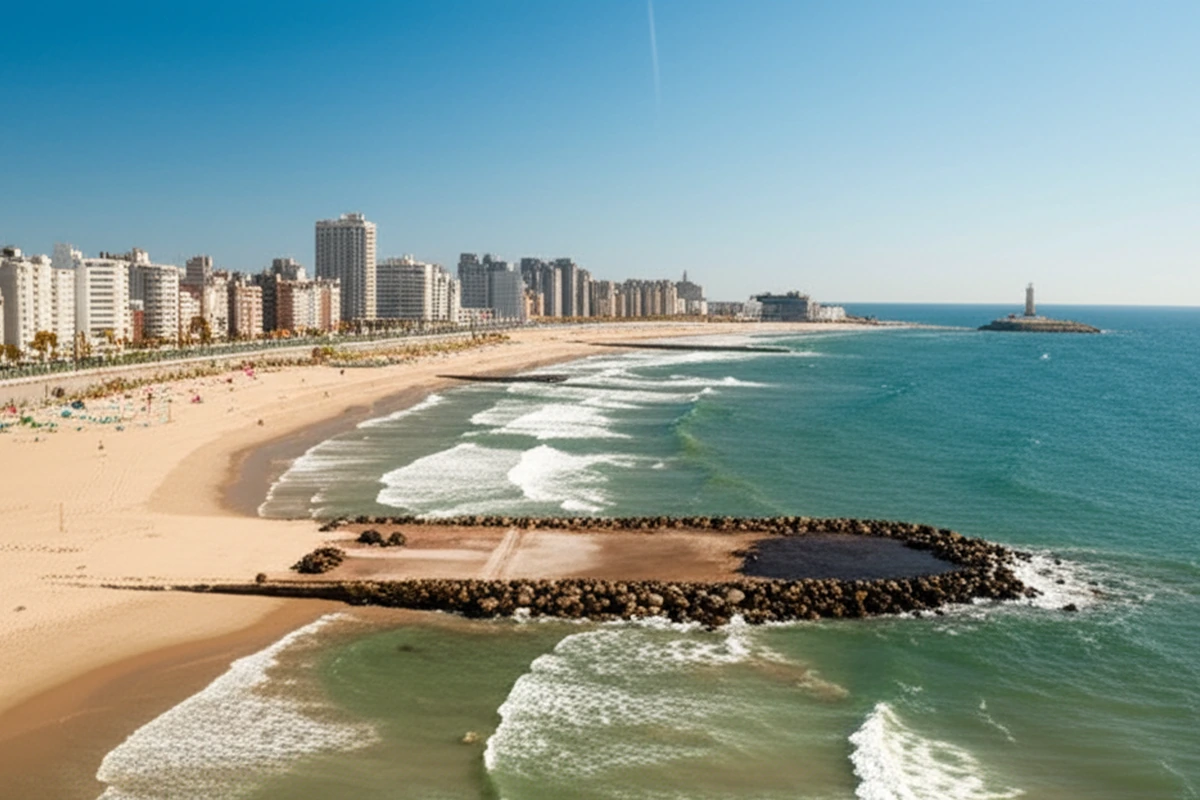
Why Mar del Plata makes the shortlist for remote workers
Remote workers who want sea air and lower pressure often like Mar del Plata more than they expect. A furnished one-bedroom near the coast runs $300-550/month, and the Guemes neighborhood (the city's cultural quarter, similar to Palermo Soho in Buenos Aires) offers cafes and restaurants within walking distance. Internet in central areas reaches 50-100 Mbps. The total monthly budget for a remote worker — rent, food, co-working, and activities — runs $900-1,400. The daily rhythm of morning work, afternoon beach or cliff walks, and evening seafood dinners creates a lifestyle that many describe as the best work-life balance they have achieved. The off-season (April-November) is quieter and cheaper.
For UAE-based readers, Mar del Plata works best when the move is meant to improve pace, recurring burn, or focus rather than recreate Gulf-speed convenience in another country.
What founders and operators should validate
Founders only fit here if the business can operate without constant capital-city access. Mar del Plata has a growing tech community anchored by Universidad Nacional de Mar del Plata (UNMDP) graduates, and the city hosts a software-development cluster with several hundred IT companies. Operating costs are 25-35% below Buenos Aires. The tourism economy (7 million+ visitors annually, mostly domestic) creates opportunities in hospitality tech, real estate services, and seasonal businesses. Internet in central areas reaches 50-100 Mbps. The city is large enough (700,000+ population) to support a small founding team, but founders who need weekly face-to-face meetings in Buenos Aires will find the commute taxing.
coastal housing, domestic tourism, and mid-market service opportunities create the logic. The correct question is whether that local advantage matches the kind of company, client base, or scouting project you actually run.
How the weekly operating stack changes
The operating stack in Mar del Plata is usually shaped by housing, internet reliability, workspace options, and how much in-person density you really need. That makes the move easier for readers who can control their calendar than for readers who still depend on Gulf-speed service systems every day.
If the city fits, the reward is usually a calmer workweek with materially lower burn. If it does not, the friction shows up quickly in routine, isolation, or logistics.
Where this city breaks for operators
it is not a tropical beach fantasy and can feel seasonal if your expectations are built on tourist photos. That matters more for remote workers and founders because operational friction compounds faster when your income depends on a stable routine.
A short scouting stay should therefore test working hours, neighborhood feel, and whether the city still looks right once the schedule becomes ordinary.
- Test the actual apartment or district where you would work, not just the city brand.
- Model rent, internet, dining, and workspace before assuming the operator story is obvious.
- Use local execution once visas, contracts, or local counterparties start mattering to the plan.