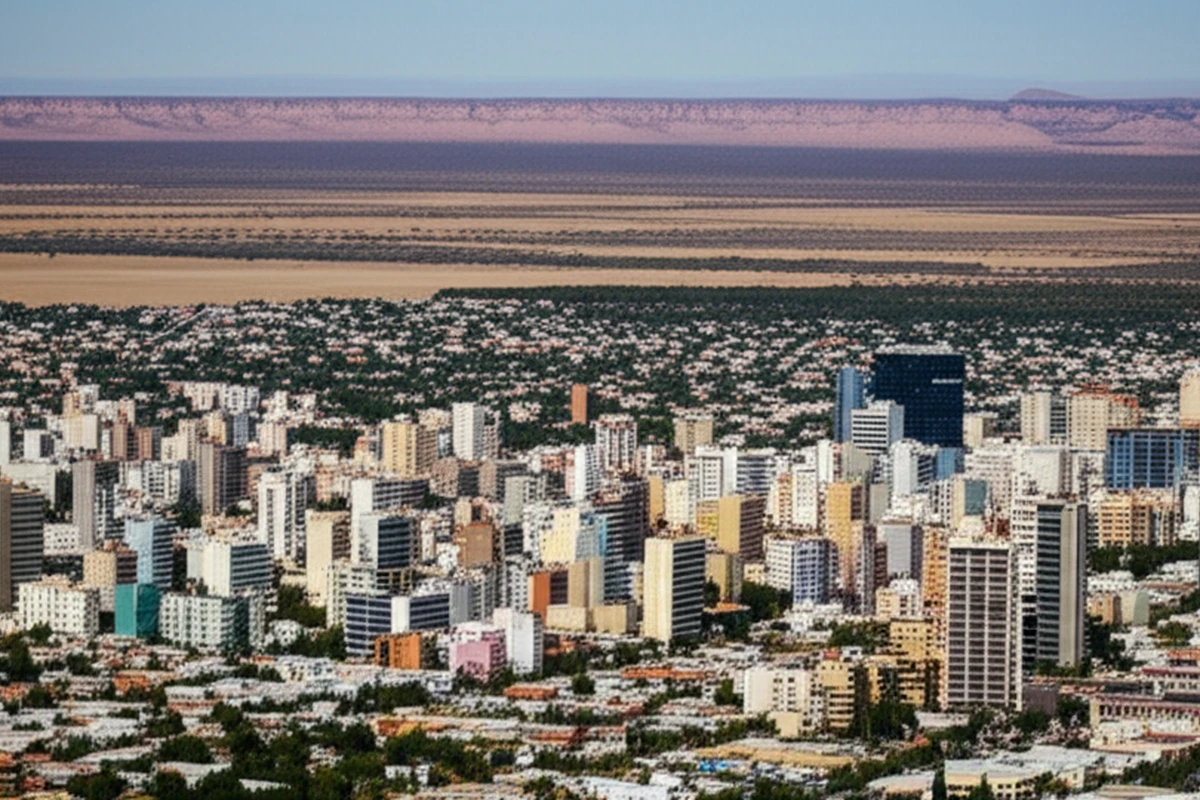
Why Neuquen makes the shortlist for remote workers
Remote workers can use Neuquen if practical discipline matters more than scene. Rent for a furnished one-bedroom in Santa Genoveva or Centro Este runs $300-500/month. Internet in central areas reaches 50-80 Mbps. The city lacks the cafe culture and co-working density of Buenos Aires or Cordoba, but its compact layout and energy-sector prosperity create a functional daily routine. The total monthly budget for a remote worker runs $900-1,300. The main appeal is Patagonia access — Bariloche (4 hours), Villa La Angostura (4.5 hours), and the Neuquen river valley offer weekend adventure. For remote workers with energy-sector clients, the local time zone and industry context add professional value.
For UAE-based readers, Neuquen works best when the move is meant to improve pace, recurring burn, or focus rather than recreate Gulf-speed convenience in another country.
What founders and operators should validate
Founders appreciate Neuquen when the business touches domestic industry, energy services, or Patagonia supply chains. The Vaca Muerta development has attracted international energy companies (YPF, Shell, Chevron, ExxonMobil) and created demand for services ranging from housing and logistics to technology and consulting. The city has a growing tech ecosystem, though it is much smaller than Buenos Aires or Cordoba. Operating costs are moderate — office space runs $300-600/month, and skilled workers are available at rates between Buenos Aires and smaller provincial cities. Internet reaches 50-80 Mbps in central areas. Founders without an energy or regional-industry connection will find limited local demand.
energy-linked services, housing, and regional business demand create the local logic. The correct question is whether that local advantage matches the kind of company, client base, or scouting project you actually run.
How the weekly operating stack changes
The operating stack in Neuquen is usually shaped by housing, internet reliability, workspace options, and how much in-person density you really need. That makes the move easier for readers who can control their calendar than for readers who still depend on Gulf-speed service systems every day.
If the city fits, the reward is usually a calmer workweek with materially lower burn. If it does not, the friction shows up quickly in routine, isolation, or logistics.
Where this city breaks for operators
it is not chosen for romance, and households seeking polished expat atmosphere usually prefer elsewhere. That matters more for remote workers and founders because operational friction compounds faster when your income depends on a stable routine.
A short scouting stay should therefore test working hours, neighborhood feel, and whether the city still looks right once the schedule becomes ordinary.
- Test the actual apartment or district where you would work, not just the city brand.
- Model rent, internet, dining, and workspace before assuming the operator story is obvious.
- Use local execution once visas, contracts, or local counterparties start mattering to the plan.