Why Pilar makes the shortlist for remote workers
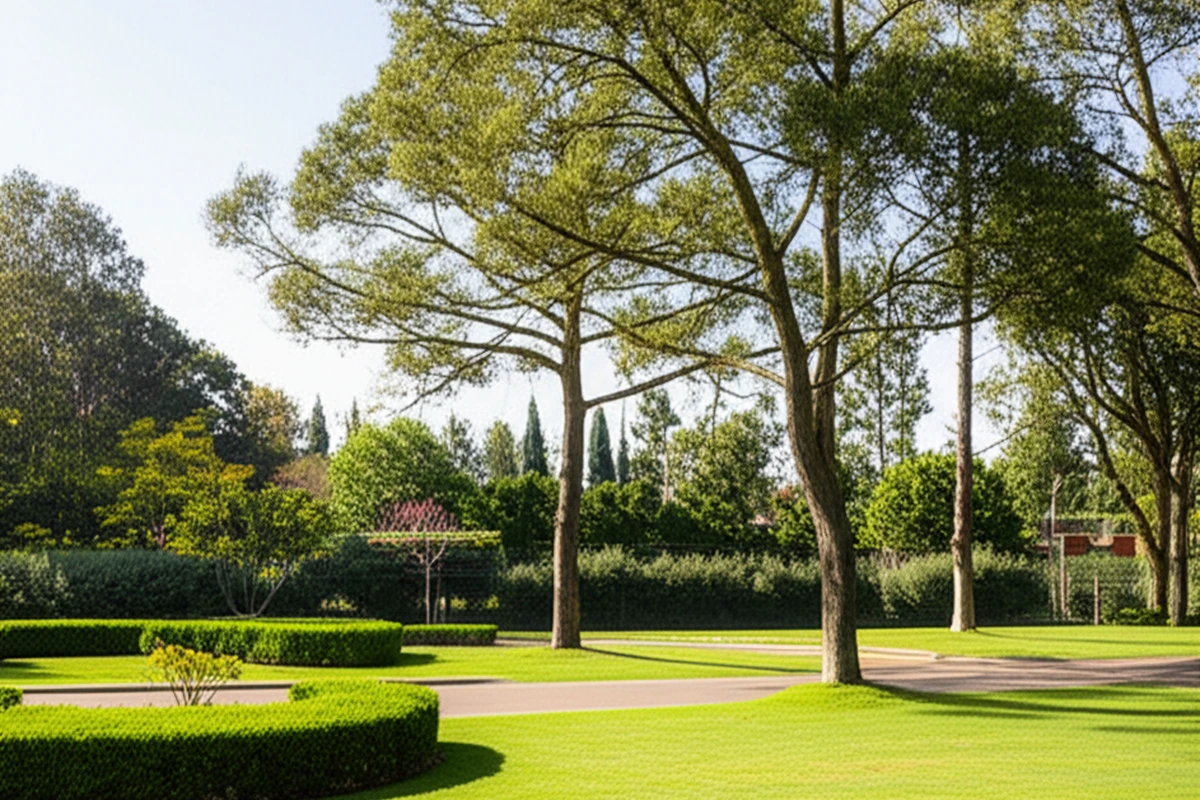
Remote workers who want domestic calm often prefer Pilar after testing Buenos Aires city first. The country-club environment provides large houses with dedicated home-office space, gardens for breaks, and zero urban noise. Internet in established developments reaches 50-80 Mbps. The tradeoff is extreme: there is no cafe culture, no co-working scene, no walkable neighborhoods, and no spontaneous social life. Everything requires a car. Monthly costs for a remote worker renting a small house in a mid-tier country club run $1,000-1,500, plus car-related expenses. This suits remote workers with families who need a productive home-office setup and have outgrown the appeal of urban coworking.
For UAE-based readers, Pilar works best when the move is meant to improve pace, recurring burn, or focus rather than recreate Gulf-speed convenience in another country.
What founders and operators should validate
Founders only choose Pilar when family rhythm leads the decision and commuting is acceptable. The 50-70 minute drive to central Buenos Aires on the Panamericana is manageable for 2-3 weekly meetings but taxing for daily commutes. Some founders work from home offices within the country-club developments, which provide large, quiet houses ideal for focused work. The Pilar industrial zone along Ruta 8 hosts logistics and manufacturing companies that create local B2B opportunities. Internet in established country clubs reaches 50-80 Mbps through Fibertel. The main advantage is family quality of life: founders with school-age children often find the productivity-at-home setup, combined with campus schooling, creates a better overall equation than splitting attention in a Buenos Aires apartment.
premium family housing, suburban real estate, and selected service businesses are the core story. The correct question is whether that local advantage matches the kind of company, client base, or scouting project you actually run.
How the weekly operating stack changes
The operating stack in Pilar is usually shaped by housing, internet reliability, workspace options, and how much in-person density you really need. That makes the move easier for readers who can control their calendar than for readers who still depend on Gulf-speed service systems every day.
If the city fits, the reward is usually a calmer workweek with materially lower burn. If it does not, the friction shows up quickly in routine, isolation, or logistics.
Where this city breaks for operators
people who want urban spontaneity or car-free life often choose Pilar for the wrong reason. That matters more for remote workers and founders because operational friction compounds faster when your income depends on a stable routine.
A short scouting stay should therefore test working hours, neighborhood feel, and whether the city still looks right once the schedule becomes ordinary.
- Test the actual apartment or district where you would work, not just the city brand.
- Model rent, internet, dining, and workspace before assuming the operator story is obvious.
- Use local execution once visas, contracts, or local counterparties start mattering to the plan.