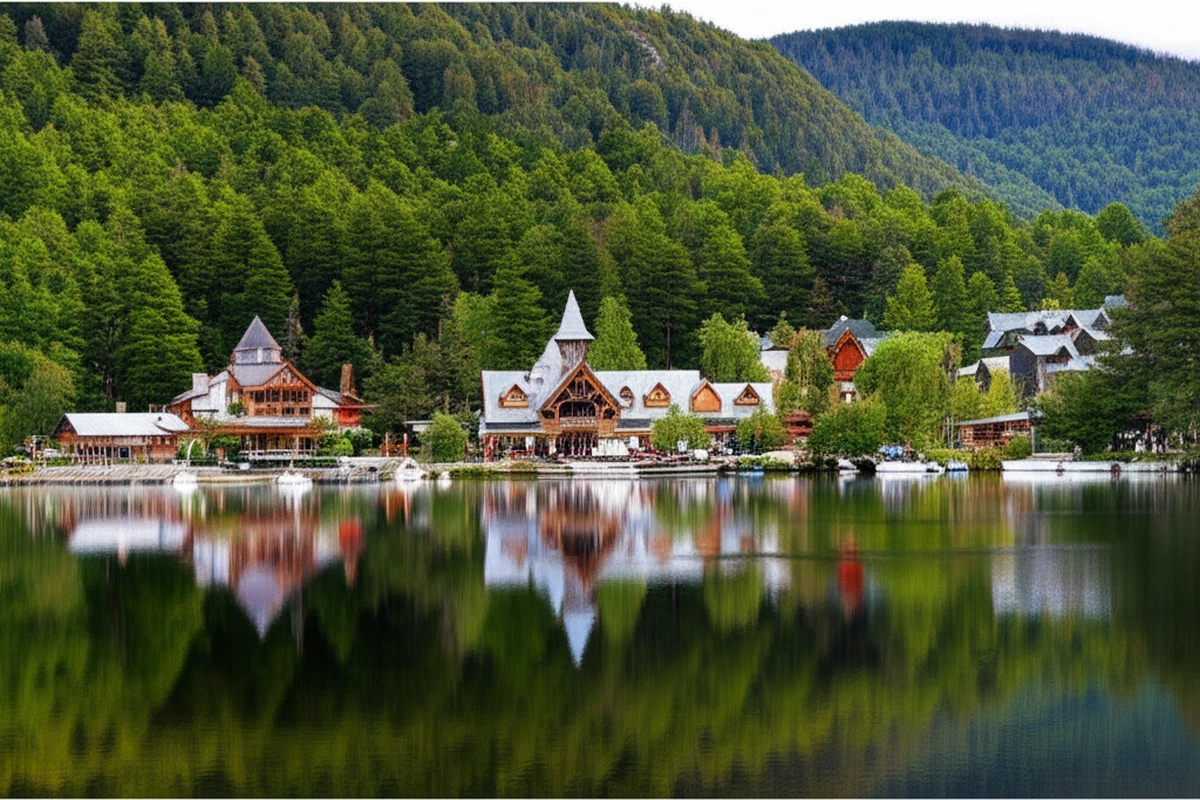
Why San Martin de los Andes makes the shortlist for remote workers
Remote workers who want mountain calm and disciplined routines often find San Martin more livable than the bigger alpine centers. The town is smaller and more intimate than Bariloche, which reduces distraction and creates a stronger sense of daily structure. Rent for a furnished one-bedroom or cabin runs $400-700/month. Internet in the downtown zone reaches 20-50 Mbps — adequate for most remote work but not ideal for heavy video-conferencing. The daily rhythm of morning work, afternoon skiing or hiking, and evening fireside relaxation creates a lifestyle that many remote workers describe as their best. Monthly costs run $1,100-1,600. The main risk is romantic burnout — some people find the isolation challenging after 4-6 months.
For UAE-based readers, San Martin de los Andes works best when the move is meant to improve pace, recurring burn, or focus rather than recreate Gulf-speed convenience in another country.
What founders and operators should validate
Founders only fit here when lifestyle is the product or when city access no longer drives the business. San Martin's economy revolves around premium tourism (skiing at Cerro Chapelco, fly-fishing on the Chimehuin and Malleo rivers, lake recreation on Lago Lacar) and boutique hospitality. The town supports businesses like craft breweries, artisan chocolate shops, outdoor-gear rentals, and wellness retreats. Internet reaches 20-50 Mbps in the downtown area but is less reliable in the surrounding corridors. Co-working infrastructure is essentially nonexistent. Operating costs are moderate but skilled talent must often be recruited from outside the region. This is a founder's market only for hyperlocal, lifestyle-aligned businesses.
high-end short-stay, boutique hospitality, and second-home logic are the dominant themes. The correct question is whether that local advantage matches the kind of company, client base, or scouting project you actually run.
How the weekly operating stack changes
The operating stack in San Martin de los Andes is usually shaped by housing, internet reliability, workspace options, and how much in-person density you really need. That makes the move easier for readers who can control their calendar than for readers who still depend on Gulf-speed service systems every day.
If the city fits, the reward is usually a calmer workweek with materially lower burn. If it does not, the friction shows up quickly in routine, isolation, or logistics.
Where this city breaks for operators
this is a niche market, and people who need thick services infrastructure can romanticize it too quickly. That matters more for remote workers and founders because operational friction compounds faster when your income depends on a stable routine.
A short scouting stay should therefore test working hours, neighborhood feel, and whether the city still looks right once the schedule becomes ordinary.
- Test the actual apartment or district where you would work, not just the city brand.
- Model rent, internet, dining, and workspace before assuming the operator story is obvious.
- Use local execution once visas, contracts, or local counterparties start mattering to the plan.